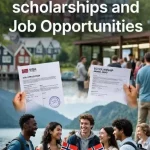
Dreaming of studying in the USA, landing real work experience, and maybe even staying longer with visa support in the Unite states of America in 2026?
For many individuals who are dreaming of studying and working in the United states of America, the Trump’s administration have made it tougher than ever with visa hurdles, but it’s still very doable in 2026, if you play smart by following this indepth guide.
The magic combo everyone wants is a scholarship that covers most (or all) of your costs + a student visa (usually F-1) to get in legally + built-in job options during/after your studies.
No single “magic package” hands it all to you on a platter, but thousands of international students pull it off every year through these proven routes. Here’s the real talk on how to make it happen.
1. Go the Student Route: Study First, Work Smart (F-1 Visa + Scholarships + OPT Jobs)
This is still the #1 path for most people. Get accepted to a U.S. university, snag funding to prove you can afford it for the visa interview, then use legal work options while studying and after graduating.
- Top Scholarships That Actually Pay Big (many fully or mostly funded):
- Fulbright Foreign Student Program: Covers tuition, living expenses, travel, insurance, and this package is perfect for master’s or PhD. Super competitive, but worth it.
- University need-based or merit awards: Places like Harvard, Yale, or smaller liberal arts colleges offer full-ride packages to internationals (yes, even need-blind for some). Check American University’s Emerging Global Leader Scholarship too—it covers everything and helps with visa stuff.
- Others: Mastercard Foundation (great for Africans), or school-specific ones at places like Johnson & Wales or various state unis.
- Visa: F-1 student visa. School sends you Form I-20 after acceptance → show funds (scholarship counts huge here) → embassy interview.
- Tip: Strong academics + clear ties to help approval chances.
- Jobs Built In:
- On-campus gigs (cafeteria, library, tutoring—up to 20 hrs/week).
- After year 1: CPT for paid internships tied to your major.
- Post-grad: OPT (12 months full-time work, 36 months if STEM). Many companies hire OPT grads and sponsor H-1B later for longer stays.
This path often turns into employer-sponsored work visas down the line.
2. Shorter-Term Wins: J-1 Exchange Programs with Paid Work + Some Funding
If you want something quicker or less intense than a full degree:
- Summer Work & Travel (via programs like Greenheart or State Department partners): Paid summer jobs (4 months), cultural exchange, sometimes flights/insurance covered. Great for uni students on break—earn money while experiencing the U.S.
- Other J-1 trainee/intern roles: Paid training positions with sponsorship included.
These are easier entry points and can lead to bigger opportunities.
3. Jump Straight to Work: Visa-Sponsored Jobs (If Study Isn’t Priority)
If you’re more about working now:
- Check boards like usponsorme.com, myvisajobs.com, LinkedIn (filter “visa sponsorship”), Glassdoor, or Indeed for H-1B, EB-3, etc.
- Hot fields: Tech, healthcare, engineering—best shot at sponsorship + extended OPT if you study STEM later.
- Thousands of listings exist (over 10,000+ on LinkedIn alone right now), but competition is fierce—strong resume, skills, and networking are key.
Quick Action Plan for 2026 Success
- Boost your profile now: High GPA, TOEFL/IELTS, projects/experience.
- Hunt scholarships early—deadlines creep up fast (Fulbright often closes soon).
- Use free resources: Go to any of the EducationUSA centers in your country and ask questions, because they do have advisors, fulbright.state.gov, or university sites.
- Network hard: LinkedIn, alumni groups, career fairs.
- Stay realistic—it’s competitive, but persistence + strong apps win.
Visa rules can shift (some reports mention extra scrutiny for interested applicants applying from African countries and some Asian countries in 2026), so double-check with the U.S. Embassy site or advisors. But don’t give up—the U.S. still needs global talent!
If you’re aiming for undergrad, master’s, a specific field like tech/healthcare, or just summer work, drop more details and I can narrow this down for you. You’ve got this—go chase that American chapter! 🚀